



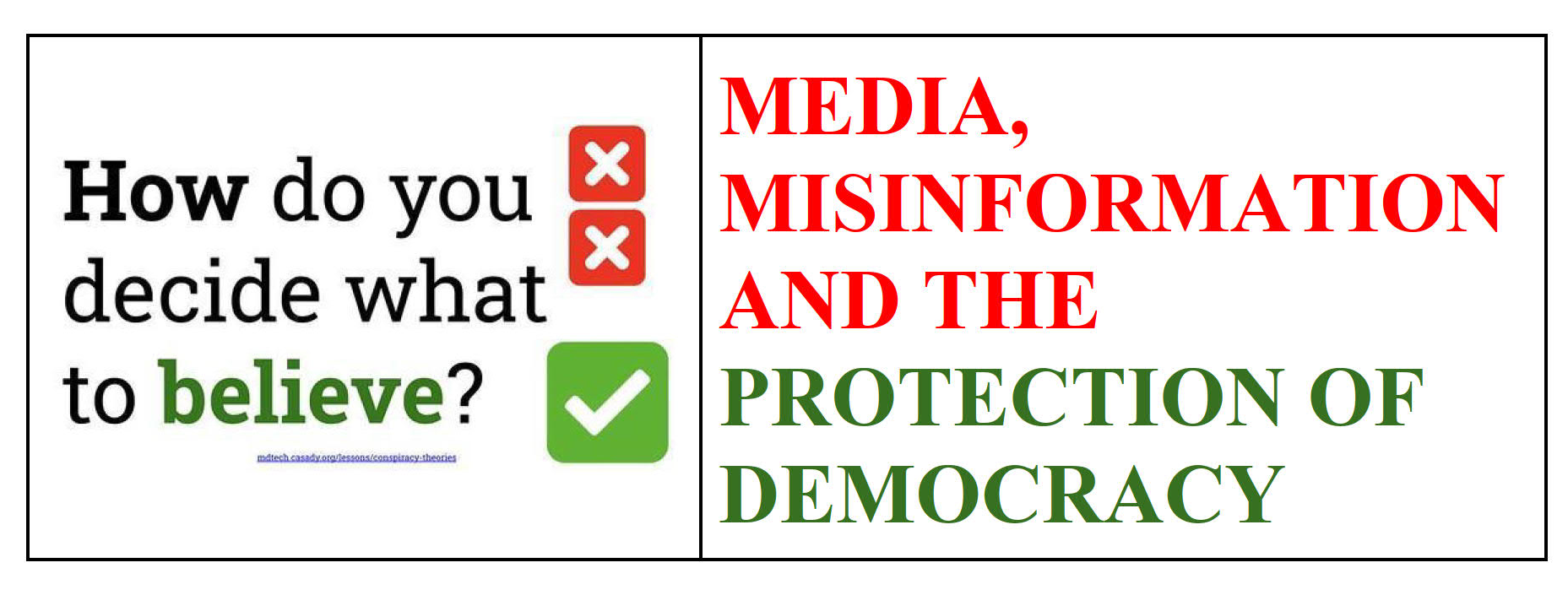
As we approach the 2024 federal elections, what is the impact of misinformation and disinformation on our democratic processes? Is it difficult to discuss issues because the accuracy of information is in dispute? Do we read/listen to news to confirm our existing opinions? Our speakers for this program discussed how misinformation is spread and what we as consumers of news can do to protect ourselves from it and ensure that we ourselves are not disseminating it.
For more information, a link to the recording, and other resources, go to the page "Media and Misinformation".
National Voter Registration Day: LWV President Dr. Deborah Turner on PBS
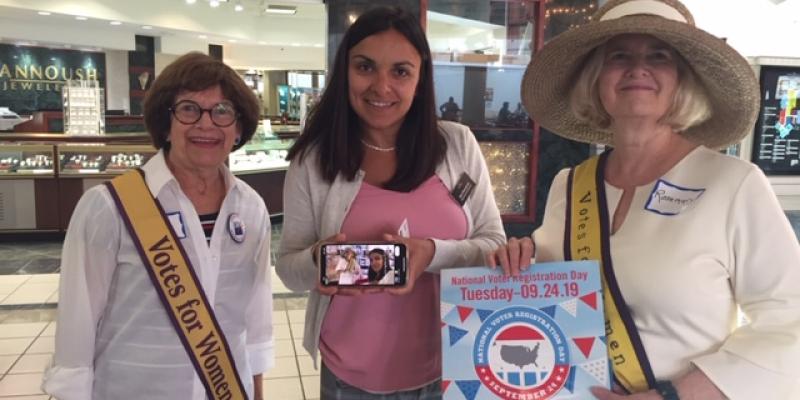
 Tuesday September 19 was National Voter Registration Day. LWV President Dr. Deborah Turner was on the PBS Newshour to discuss the effort to register voters, to engage young voters, and to encourage citizen participation in elections at all levels, local and national.
Watch her interview here:
https://www.pbs.org/video/getting-out-the-vote-1695151214/
Book Discussion and Signing:
In Other Words, Leadership
The League of Women Voters of Cape Cod Area is sponsoring a discussion with the author, Shannon Mullen, on her new book—In Other Words, Leadership.

Ms. Mullen is an NPR journalist and author. She cherished summers on the Cape with her aunt, Nancy Erskine, longtime activist and philanthropist in Chatham. Her book, just released on June 20, 2023, chronicles the compelling correspondence of Maine Governor Janet Mills and a young rural mother who wrote to her during the first year of COVID.
The discussion is set for Friday July 14, 2023, at the
Olde Colonial Courthouse, 3046 Main Street, Barnstable 02630, from 7—9pm.
Parking Available at Nearby Lots:
1. St. Mary’s Episcopal Church, across the street, at 3055 Main Street. There is a crosswalk with a pedestrian signal.
2. Sturgis Library, a block east of the venue, at 3090 Main Street.
3. Barnstable House, a block west at 3010 Main Street.
For more information, see the Press Release at this link.


THE AFFORDABLE HOUSING DILEMMA: RESOURCES FOR MAKING PROGRESS
Urgency l Demand l Resources l Progress l Planning l Communities
In partnership with Amplify POC and Health Ministry USA, the League of Women Voters of the Cape Cod Area wbrought together local officials and community groups involved in addressing local housing issues through planning and development. The forum focused on housing concerns such as availability/inventory, affordability, workforce, environmental and quality of living impacts.
Highlights included:
- The urgency of the problem
- Immediate needs and challenges
- Current planning and resources towards solutions
- How residents can engage and advocate for resolutions with positive impact
Panelists were:
- Paul Niedzwiecki, Chief Executive Officer for the Cape Cod Chamber of Commerce
- Tara Vargas-Wallace, CEO and President of Amplify POC
- Kristy Senatori, Executive Director, Cape Cod Commission
- Alisa Magnotta, CEO, Housing Assistance Corporation
- Chris Flanagan, First Barnstable State Representative and
Executive Officer of Homebuilders and Remodeling Association of Cape Cod - Elizabeth Jenkins, Town of Barnstable Director of Planning and Development
- Michael Mecenas, President of Health Ministries, Barnstable
See a recording of the forum at this link: Cape Cod Housing Crisis

Preventing Youth Suicide:
The Importance of Ensuring Access to Services
A Virtual Forum | March 28, 2023
LWVCCA and YMCA Cape Cod Y Achievers public forum and panel discussion about health/mental health concerns for Cape Cod youth, following recent teen suicides on the Cape.
The program highlighted the significance of the recently passed Mental Health ABC Law and will help promote understanding of the experiences of Cape Cod young people.
Learn how schools, families, healthcare providers, first responders, law enforcement, faith-based organizations, community members, and friends can offer supportive practices and policies to prevent teen suicide and care for those who’ve been affected by the loss of a friend/loved one due to suicide.
Guest Panelists:
- Students from Cape Cod High Schools
- MA State Senator Julian Cyr, Sponsor, The Mental Health ABC Act 2.0 2.0
- Kim Mead-Walters, MD, Executive Director,Sharing Kindness
- Daniel Rodrigues, LICSW, PMH-C, Director,Substance Use Disorders, Duffy Health Ctr.
- Catherine Fauth, School Adjustment Counselor, Falmouth High School
Moderator: Jackie Lane, Executive Director, NAMI Cape Cod & The Islands
View a recording of the forum here: https://youtu.be/jaANM02l7Wo?t=1
Resource relating to this forum are at THIS Link
Details about our panelists are at THIS link
| English | Spanish | Portuguese |
MEETING with CAPE COD LEGISLATORS
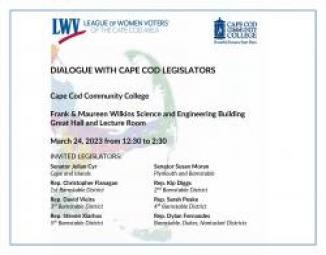 Members of LWVCCA meet annually with the Cape and Islands delegation to the Massachusetts legislature (Massachusetts General Court) to learn their positions on issues important to Cape Cod voters. This years meeting was held at the Cape Cod Community College, for an audience of LWVCCA members and CCCC students, and was recorded:
LWVCCA 2023 Meeting with Cape Cod Legislators


